This page has been idle for a while. To make sure you don't miss out on the latest content, please reload the page.Refresh
Refresh
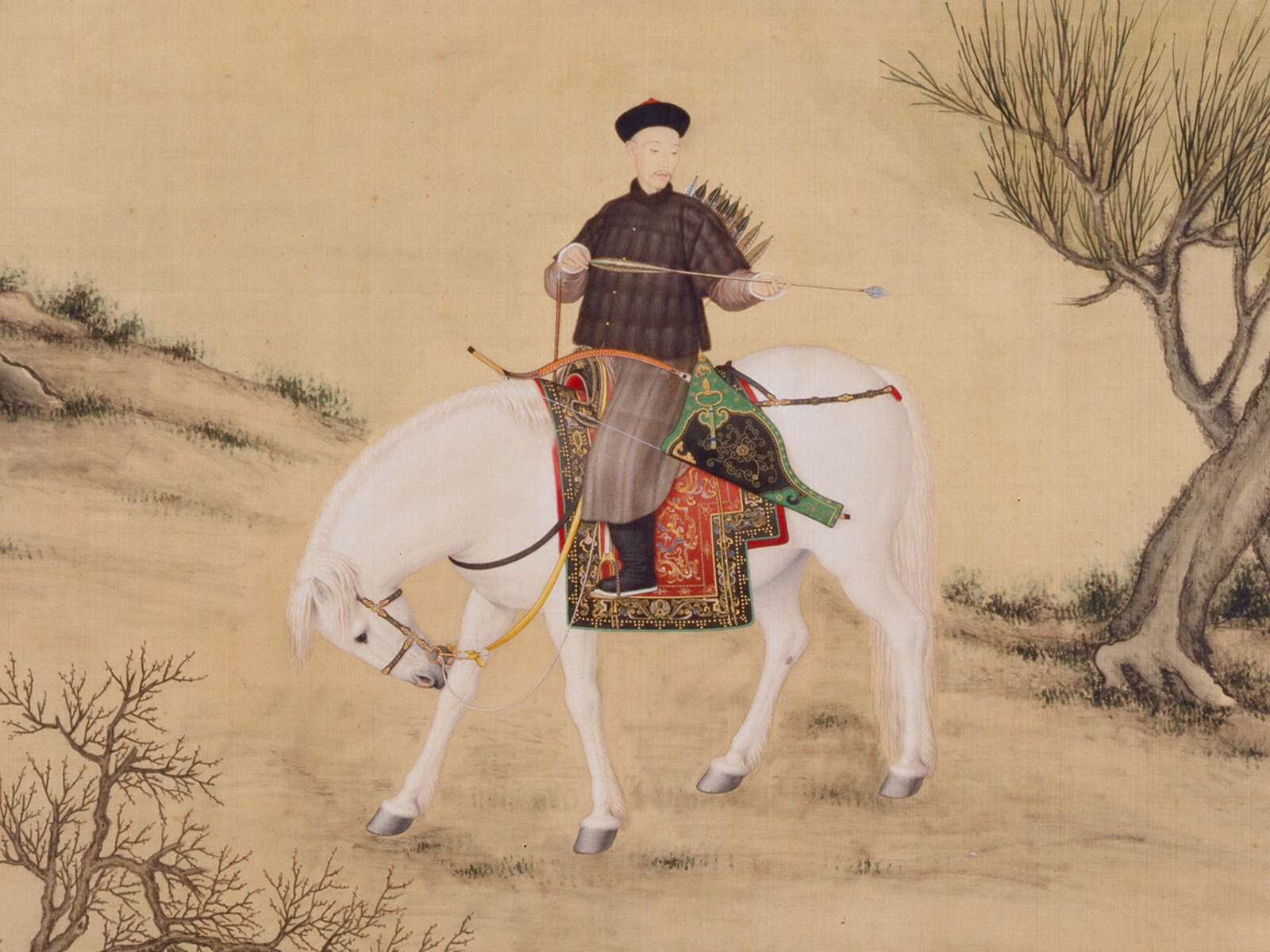
The horse, associated with resilience, vigour, loyalty, and nobility, has long been a favourite subject of Chinese painters. By the Tang dynasty (618–907), horse painting was a distinct genre. The introduction of European knowledge and techniques—particularly anatomy and perspective—in the late Ming to early Qing dynasties (17th–18th century) propelled the art of horse painting to an unprecedented height. The genre underwent a notable revival from the late Qing (19th to early 20th century) to the modern era, thanks to a further blending of traditional Chinese painting techniques with European and other styles.
This exhibition celebrates the Year of the Horse in 2026 by examining and showcasing the achievements of Chinese horse painting from multiple perspectives: courtly and literati, classical and modern, Chinese and European. Divided into four thematic sections, the exhibition features nearly 100 masterpieces by more than 60 renowned artists from the Yuan dynasty (1271–1368) to the 20th century. The majority of the works on display are drawn from the collection of the Palace Museum. The exhibition is enriched by loans from the Hong Kong Museum of Art and the Art Museum, The Chinese University of Hong Kong. These exceptional works offer insight into the genre’s distinctive artistic expression and cultural resonance.
The exhibition is jointly organised by the Hong Kong Palace Museum and the Palace Museum, and exclusively sponsored by the Institute of Philanthropy.



























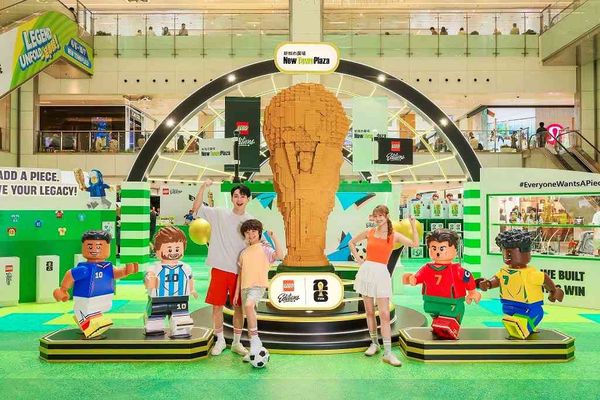
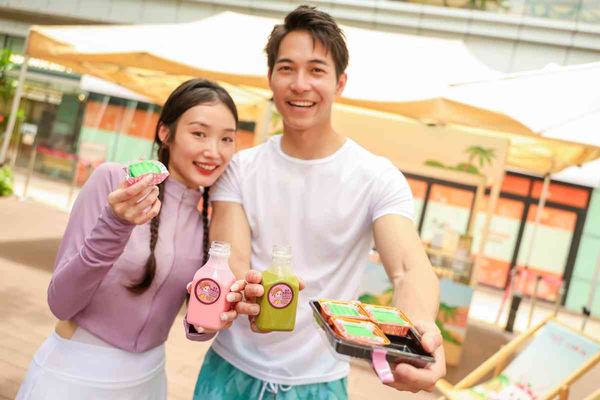
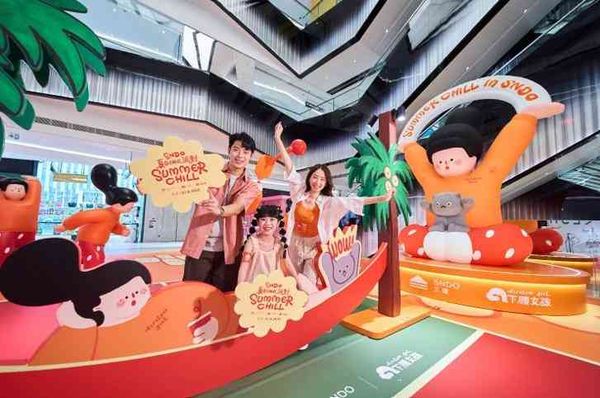
![Kwai Fong Metroplaza | [Kwai Fong Summer Journal] Create Gen Z's most dope and fun holy land, punch-in recommendation: [Sen-do Day to Night Chill punch-in spot] Big difference between day and night Experience the urban escape small town game strategy](https://img.etnet.com.hk/customcover/event/2026/07/08/KFSummerfest-2026-052_m.jpg)
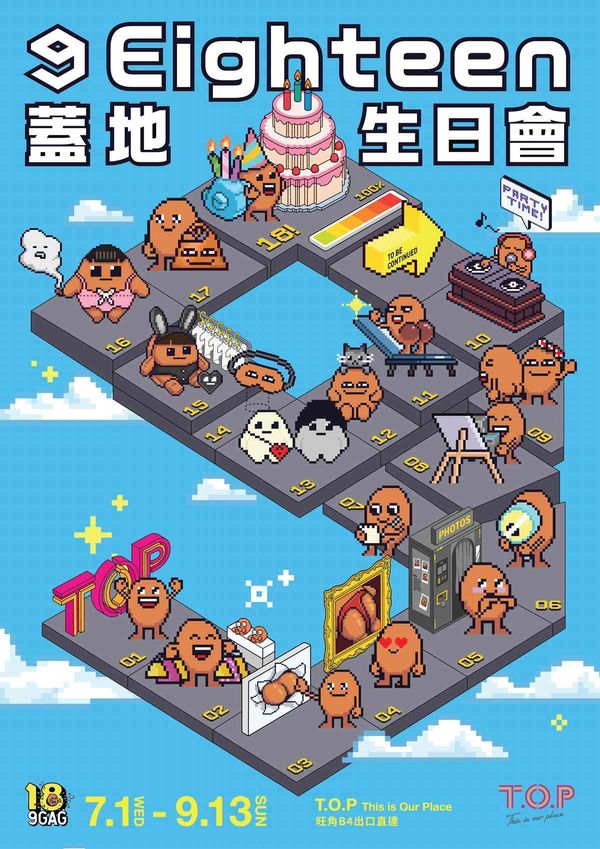
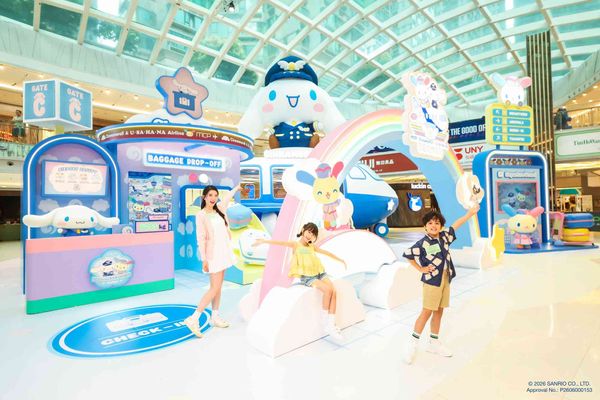
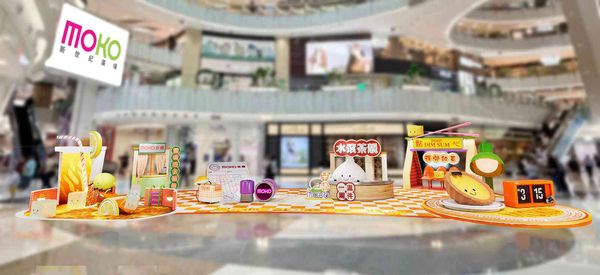
![Tsim Sha Tsui LCX | [LCX x Plastic Thing Summer 'Package' Fun Baking Workshop] is open for business! Foodie Mei is now Chef FATTY, joining FATMILY to bring you three immersive multi-sensory baking scenes.](https://img.etnet.com.hk/customcover/event/2026/07/08/FATTYSBAKERY-2026-002_m.jpg)
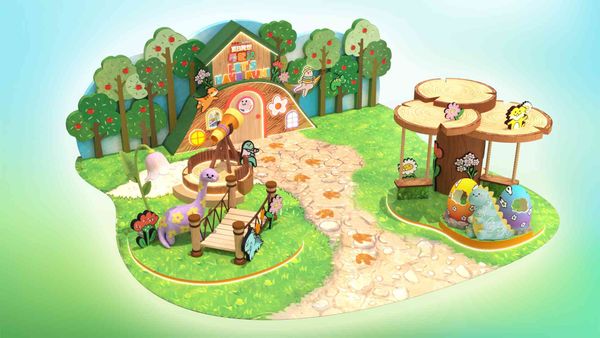
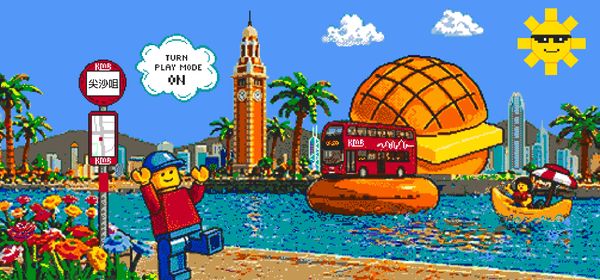
![Tsuen Wan Nina Plaza | A Summer Cool Spot! Chinachem Group Shopping Mall × My Friend Rabbit [“Rabbit” - Gather for Fun-filled Summer Water Party] Makes its Debut](https://img.etnet.com.hk/customcover/event/2026/07/03/03072026_ninamall_a001_m.jpg)